Master Your Shopify Store's Profitability
Running a Shopify store often feels like a high-speed race. You're constantly focused on marketing campaigns, product development, customer service, and scaling operations. The thrill of new sales notifications can be intoxicating, creating an illusion of robust success. Yet, many experienced merchants discover a stark reality when they dig deeper: high revenue doesn't automatically translate into high profit. In fact, for a significant number of e-commerce businesses, a substantial portion of their hard-earned revenue evaporates into a labyrinth of hidden costs, leaving them with far thinner margins than they initially perceive.
This isn't merely about balancing a checkbook; it's about understanding the true financial health of your enterprise. Without a precise, granular view of profitability at every level – from individual product lines to specific marketing channels – you're operating blind. You might be pouring resources into initiatives that are actively bleeding your business dry, while neglecting areas ripe for optimization. Mastering your Shopify store's profitability isn't just a best practice; it's the fundamental pillar for sustainable growth and long-term viability.
The Deceptive Nature of Revenue: Why Gross Sales Don't Tell the Full Story
Every Shopify merchant loves to see their gross sales figures climb. It's a tangible metric of effort and market traction. However, fixating solely on this top-line number is one of the most common and dangerous pitfalls in e-commerce. Gross sales represent the money coming in, but they offer no insight into the money going out – and that outflow can be surprisingly substantial and complex. Many e-commerce businesses, particularly those with high volume and diverse product catalogs, frequently overestimate their net profit by as much as 20-30% due to overlooked expenses.
Imagine selling a product for $100. On paper, it looks great. You might even factor in your product's cost of goods sold (COGS) and feel confident about your gross margin. But what about the advertising spend that drove that specific sale? The payment processing fee? The cost of the shipping label and packaging materials? The monthly software subscription for your inventory management system, allocated per order? The labor involved in picking, packing, and shipping? These aren't abstract concepts; they are concrete deductions that chip away at your profit, often turning what seemed like a lucrative transaction into a break-even scenario, or worse, a loss.
Real profit, or net profit, is the only metric that truly matters for sustainable business growth. It's the money left after all, and we mean all, expenses associated with acquiring and fulfilling an order have been accounted for. Failing to grasp this distinction means you could be celebrating high revenue while unknowingly driving your business towards financial strain.
Unmasking the Hidden Profit Eaters in Your Shopify Operations
The journey to true profitability begins with identifying and understanding every single cost component. Many of these expenses are not immediately obvious in standard Shopify reports, requiring a deeper dive into your financial ecosystem. Let's pull back the curtain on the most common profit eaters.
Shipping and Fulfillment Complexity
Shipping is far more than the postage stamp. It's a multi-faceted cost center that can significantly erode margins if not meticulously managed. Consider not just the carrier fees, but also the cost of packaging materials (boxes, poly mailers, bubble wrap, tape), labor for picking and packing, and warehouse storage fees if you're holding your own inventory. Then there's the hidden cost of returns. If a customer sends an item back, you might incur return shipping fees, restocking fees, and the labor associated with processing that return. For a product selling at $50, the combined cost of outbound shipping, packaging, and the potential for return processing can easily consume $10-$15 of your margin, sometimes more, especially for heavy or bulky items.
Marketing and Customer Acquisition Costs (CAC)
You spend money to make money, and marketing is essential. But how precisely do you attribute your ad spend to individual sales? Beyond the direct cost of Facebook Ads or Google Shopping campaigns, you also have to factor in agency fees, creative development costs (photography, videography, copywriters), and the subscription costs for various marketing automation or analytics software. A seemingly successful ad campaign driving high sales volume could be unprofitable if your CAC is too high. If acquiring a new customer costs you $30, and their first order only yields a gross profit of $25, you've started in the red.
Payment Processing Fees
Every transaction comes with a fee. Shopify Payments, PayPal, Stripe – they all take a cut. While these percentages might seem small (e.g., 2.9% + $0.30 per transaction for Shopify Payments in the US), they accumulate rapidly. For high-volume stores or those selling lower-value items, these fees can represent a significant drain. On 1,000 orders averaging $20 each, that's $580 in percentage fees plus $300 in fixed fees – nearly $900 deducted directly from your revenue. Add to that the potential for chargeback fees, which can be substantial ($15-$25 per incident), and currency conversion fees for international sales, and you realize this isn't a negligible expense.
Software Subscriptions and Apps
Your Shopify store isn't just the platform itself; it's an ecosystem of apps. From email marketing platforms and review apps to inventory management systems and upsell tools, each monthly subscription adds to your overhead. While these are often seen as necessary fixed costs, they must be allocated across your sales volume to understand their impact on per-order profitability. Are you paying for apps you barely use? Are redundant apps creating unnecessary expense? Each dollar spent on software is a dollar that doesn't become profit.
Returns, Refunds, and Customer Service Overheads
Returns are an inevitable part of e-commerce, but their financial impact is often underestimated. Beyond the loss of the original sale, returns incur costs related to return shipping, inspection, repackaging, and potential depreciation if the item cannot be resold as new. Furthermore, the labor involved in handling customer service inquiries, processing refunds, and managing exchanges adds up. A return rate of 10% might seem manageable, but if each return costs you an additional 20-30% of the item's original profit margin in processing and shipping, it can effectively wipe out the profit from a much larger percentage of your sales.
Inventory Holding Costs and Obsolescence
Holding inventory isn't free. There are costs associated with storage (warehousing fees, utilities), insurance, and the capital tied up in unsold goods. More critically, there's the risk of obsolescence. Products that don't sell quickly become dead stock, requiring markdowns or even liquidation, leading to significant write-downs. This impacts your cash flow and directly eats into potential profits. Understanding your inventory turnover rate and the true cost of carrying inventory is paramount.
The Power of Granular Data: Moving Beyond Basic Reports
Shopify's built-in analytics provide a solid foundation, offering insights into sales, traffic, and basic customer behavior. However, they typically fall short when it comes to delivering a comprehensive, real-time view of your true profitability. Native reports often don't integrate all your external costs – ad spend, shipping fees from third-party carriers, payment gateway charges beyond Shopify Payments, app subscriptions, or labor costs. This fragmented view makes it nearly impossible to pinpoint exactly which products, channels, or even specific orders are genuinely profitable.
To truly master your store's financial health, you need to move beyond aggregated numbers and delve into granular data. This means integrating data from all your operational touchpoints: your ad platforms, shipping carriers, payment processors, inventory management systems, and even your accounting software. Only then can you accurately calculate the true cost of goods sold, the real customer acquisition cost, and the precise profit margin for every single product variant and every individual order. This level of detail empowers you to make informed decisions, rather than relying on gut feelings or incomplete information.
Actionable Step: Start by creating a comprehensive cost ledger. List every single expense associated with your business, no matter how small. Categorize them and then consider how each expense could be allocated per order or per product. This initial manual exercise will illuminate the complexity and necessity of a more integrated approach.
Actionable Strategies to Boost Your Net Profit Margin
Identifying profit leaks is the first step. The next is implementing targeted strategies to plug them and actively increase your net profit. This requires a proactive, data-driven approach.
Optimize Your Shipping Strategy
Negotiate Carrier Rates: As your shipping volume grows, revisit your agreements with carriers. Even small percentage reductions can lead to substantial savings over time. Don't be afraid to shop around for the best rates.
Offer Tiered Shipping: Implement a strategy that encourages higher average order values (AOV) while covering your costs. Offer free shipping above a certain threshold (e.g., $75), a flat rate for smaller orders, and clearly communicate expedited options. This minimizes surprises for customers and helps you manage expectations.
Consider Local Fulfillment Options: If you have a concentration of customers in a specific region, explore local fulfillment centers or even regional carriers that might offer more competitive rates and faster delivery times than national providers.
Refine Your Marketing Spend
Focus on LTV vs. CAC: Shift your focus from simply acquiring new customers to acquiring profitable customers with a high Customer Lifetime Value (LTV). Understand which channels bring in customers who make repeat purchases and spend more over time. A higher initial CAC might be acceptable if the LTV justifies it.
A/B Test Ad Creatives and Targeting: Continuously test different ad copy, visuals, and audience segments to identify what resonates most effectively and drives the lowest CAC. Small improvements in conversion rates can dramatically impact profitability.
Invest in Retention Marketing: It's far cheaper to retain an existing customer than to acquire a new one. Implement robust email marketing, loyalty programs, and personalized outreach to encourage repeat purchases. This significantly boosts LTV without incurring high acquisition costs.
Streamline Operations and Reduce Returns
Improve Product Descriptions and Imagery: Clear, accurate, and detailed product information, coupled with high-quality images and videos, minimizes customer misunderstandings that lead to returns. Consider 360-degree views or augmented reality features.
Implement Clear Return Policies: While customer-friendly policies are important, ensure yours are clear, transparent, and balanced. Educate customers on sizing, materials, and usage to reduce preventable returns.
Automate Customer Service Where Possible: Utilize chatbots for common FAQs, implement self-service portals for order tracking and returns initiation. This frees up your customer service team to handle more complex issues, reducing labor costs per inquiry.
Price Strategically
Don't Just Compete on Price: Understand your unique value proposition. If your product offers superior quality, unique features, or exceptional customer service, your pricing should reflect that. Competing solely on being the cheapest is a race to the bottom.
Implement Dynamic Pricing: Consider adjusting prices based on demand, inventory levels, competitor pricing, or even customer segments. Tools exist that can help automate this process, ensuring you're always maximizing revenue and profit.
Bundle Products for Higher AOV: Create attractive product bundles that offer customers perceived value while increasing your average order value and potentially reducing per-item shipping costs. This can also help move slower-selling inventory.
Leverage Technology for True Profit Visibility
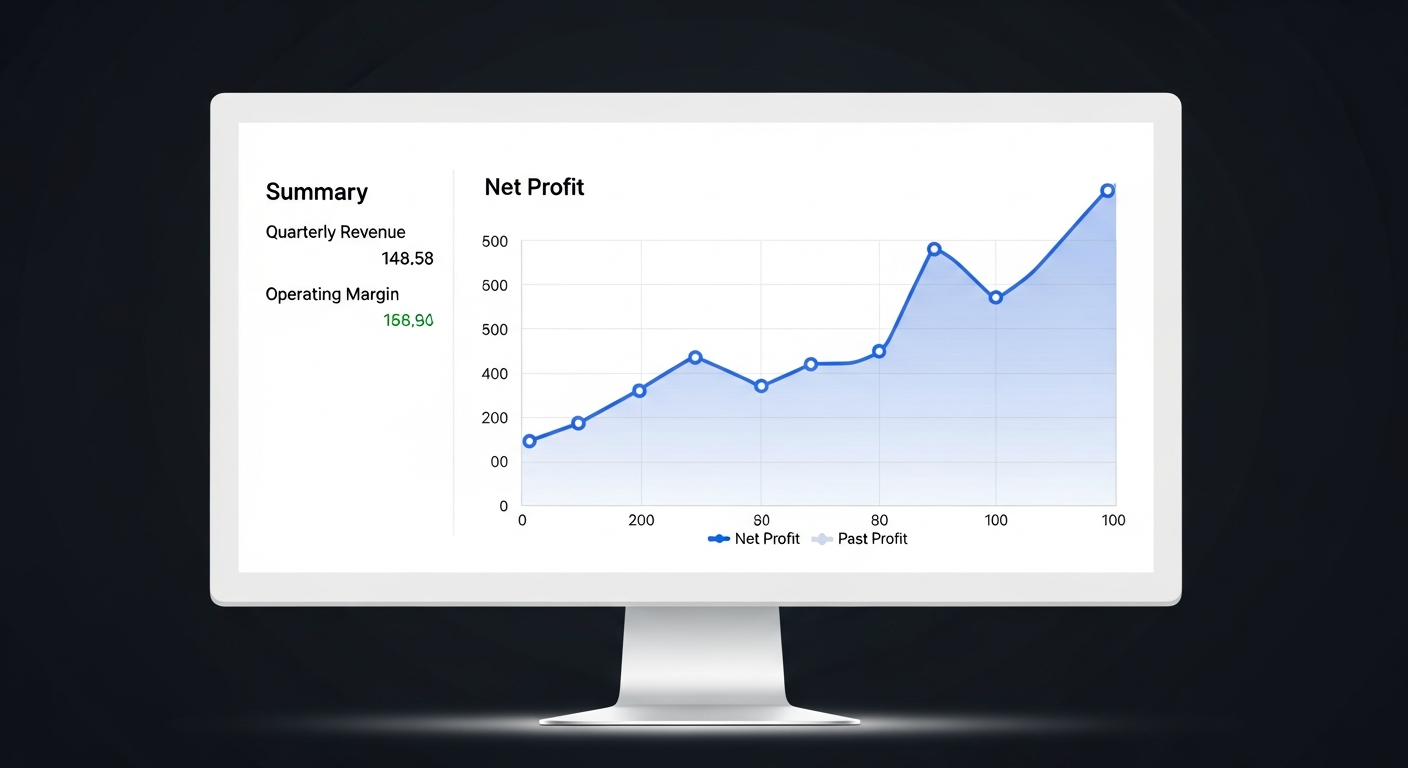
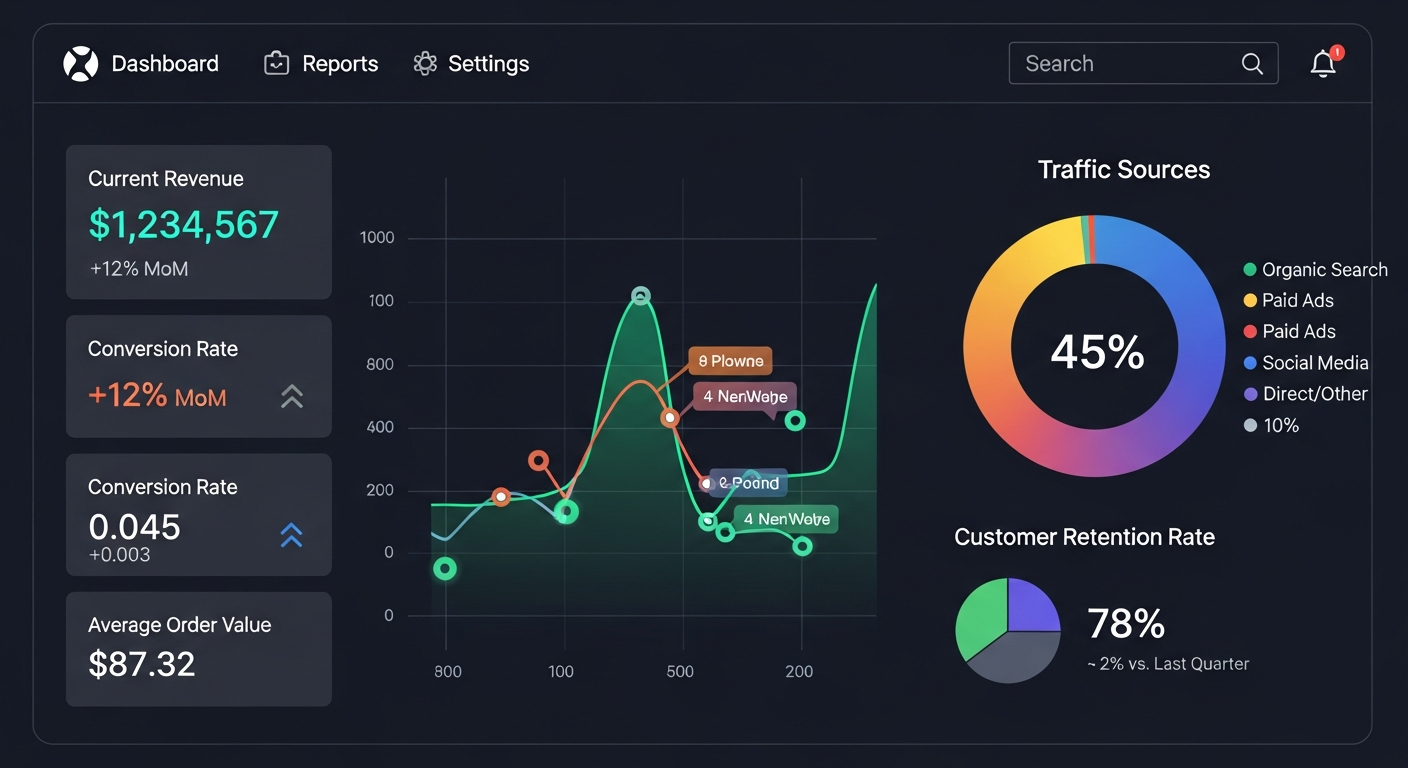
Manually tracking every single cost and attributing it to individual sales is an overwhelming, often impossible, task for a growing Shopify store. This is where specialized technology becomes indispensable. A dedicated profit tracking solution integrates all your disparate data sources – from ad platforms to shipping carriers, payment gateways to app subscriptions – into a single, cohesive dashboard. It automates the complex calculations, providing real-time, accurate insights into your net profit margin at a granular level. This empowers you to identify underperforming products, optimize marketing spend, and make data-backed decisions that directly impact your bottom line.
Start Tracking Your Real Profits with ProfitPilot Today
You've built a fantastic Shopify store, but are you truly capturing the profits you deserve? Stop guessing and start knowing. ProfitPilot integrates seamlessly with your Shopify store and all your essential tools, pulling in every cost associated with your operations – shipping, marketing, payment processing, app subscriptions, and more. It cuts through the noise of gross revenue, delivering crystal-clear insights into your actual net profit, down to each individual product and order.
Uncover hidden profit leaks, identify your most profitable products and marketing channels, and make strategic decisions with confidence. ProfitPilot gives you the power to optimize every aspect of your business for maximum profitability, ensuring that your hard work translates into sustainable growth. Take control of your financial future and transform your Shopify store into a highly efficient, profit-generating machine.