Stop Leaving Money on the Table: Pinpoint Your True Profitability Drivers
Every business leader understands the fundamental equation: revenue minus costs equals profit. Yet, for many, the 'profit' number on the balance sheet feels more like an educated guess than a precise calculation. You see sales figures climbing, customer acquisition costs holding steady, and operational expenses seemingly under control. Still, that nagging feeling persists – are we truly optimizing every dollar? Is there more profit we're simply overlooking, inadvertently leaving on the table?
The reality is often far more complex than simple top-line growth or basic expense tracking suggests. Many organizations, even highly successful ones, operate with significant blind spots when it comes to true profitability. They might be chasing revenue in segments that barely break even, or failing to identify the subtle, insidious costs that erode margins product by product, service by service. This isn't a failure of effort; it's often a failure of insight, stemming from fragmented data and outdated analytical approaches.
Pinpointing your true profitability drivers requires moving beyond surface-level financial reports. It demands a granular, data-driven approach that unmasks hidden costs, illuminates inefficient processes, and identifies the genuine engines of your financial success. This isn't just about cutting costs; it's about making smarter, more informed strategic decisions that propel sustainable growth.
The Hidden Costs Eroding Your Bottom Line
The illusion of profit often stems from a limited view of expenses. Most companies diligently track direct costs like raw materials and labor. However, the real culprits behind margin erosion often lurk in the shadows, manifesting as indirect costs, operational inefficiencies, and misallocated resources that go unnoticed in conventional accounting frameworks.
Beyond Obvious Expenses: The Subtleties of Cost
Consider the seemingly straightforward task of managing inventory. While the cost of goods purchased is clear, what about the significant, yet often unmeasured, expenses associated with carrying that inventory? Warehousing costs, insurance, potential obsolescence, and the capital tied up represent substantial, ongoing drains. For a retail business, stores often see 15-20% margin erosion from returns processing, damaged goods, or inventory shrinkage – costs that are rarely attributed accurately to specific product lines or sales channels.
Then there are the operational inefficiencies. A customer support team might appear efficient on paper, but if they're constantly resolving issues stemming from a particular product's defects or a specific service's complexity, those "support costs" are actually product/service costs in disguise. A manufacturing plant might have a high yield, but if changeover times between product runs are excessive, or if energy consumption for certain processes is disproportionately high, these subtle inefficiencies become profit killers.
The Peril of Inaccurate Costing Models
Many businesses rely on historical or simplified cost allocation methods that fail to reflect reality. Allocating overhead based on revenue or employee count, for instance, can drastically distort the true profitability of individual products, services, or customer segments. A product might appear highly profitable because it generates significant revenue, but if it demands excessive engineering support, specialized manufacturing processes, or disproportionate sales effort, its actual margin could be razor-thin, or even negative. Conversely, a seemingly low-margin product might be a quiet profit driver due to its simplicity and efficient production.
Studies indicate that up to 60% of businesses struggle with accurate cost accounting, leading to critical misjudgments. When costs are misattributed, companies inevitably underprice their most profitable offerings, leaving money on the table, and overprice their least profitable ones, making them uncompetitive. This lack of granular insight leads to strategic decisions based on flawed premises, ultimately hindering growth and squandering potential.
The Data Blind Spot: Why Most Businesses Miss Critical Insights
In today's data-rich environment, it's ironic that many organizations still struggle with a comprehensive understanding of their financial health. The problem isn't a lack of data; it's often a lack of integration and intelligent analysis. Data remains siloed across various departments and systems, creating a fragmented picture that obscures the true drivers of profit and loss.
Fragmented Data, Fragmented Understanding
Think about the typical business technology stack. You have an ERP system for core operations, a CRM for sales and customer interactions, a separate accounting package, a POS system for transactions, and perhaps a specialized inventory management solution. Each system generates its own valuable data. However, if these systems don't seamlessly communicate, the task of consolidating and reconciling this information becomes a Herculean effort. Manual data exports, spreadsheet gymnastics, and countless hours spent validating figures are commonplace. This not only introduces errors but also delays critical insights, rendering them less actionable. By the time you've pieced together a complete picture, the market conditions or operational realities it describes may have already shifted.
The Illusion of "Good Enough" Reporting
Most businesses generate monthly P&L statements, balance sheets, and cash flow reports. These are essential, but they often represent only a surface-level view. A consolidated P&L might show a healthy net profit, masking significant losses within a specific product line, a particular geographic region, or a newly acquired customer segment. Without drilling down into the underlying drivers, you might be celebrating overall success while unknowingly subsidizing underperforming areas. This "good enough" reporting lulls decision-makers into a false sense of security, preventing them from asking the deeper questions necessary for true optimization. It's like checking the oil light on your car without ever looking under the hood – you know there's oil, but you don't know if it's clean, at the right level, or if there's a slow leak.
Unmasking True Profitability: A Strategic Approach
Moving from a reactive, consolidated view of profit to a proactive, granular understanding requires a fundamental shift in strategy and methodology. It’s about building a robust framework that continuously reveals where your profits truly come from and where they are being inadvertently lost.
Granular Cost Attribution: Knowing What Really Costs What
The cornerstone of true profitability analysis is the ability to attribute costs with precision. This means moving beyond broad overhead allocations and striving to connect every expense to the specific activities, products, services, or customers that incur it. Implementing principles of activity-based costing (ABC) allows you to identify the actual cost of producing each unit, serving each customer, or delivering each project. For instance, a software company might discover that while a premium subscription tier generates high revenue, the extensive customization and dedicated support required for those clients make it less profitable than a simpler, higher-volume mid-tier offering. By understanding these nuances, you can stop making assumptions and start making data-backed decisions about resource allocation and product development.
Dynamic Pricing and Margin Optimization
With accurate, real-time cost data, businesses gain the power to implement dynamic pricing strategies that optimize margins. This isn't about arbitrary price increases; it's about intelligently adjusting pricing based on the true cost of delivery, market demand, competitor pricing, and customer willingness to pay. Consider a logistics company. If they precisely understand the fluctuating costs of fuel, labor, and vehicle maintenance for different routes and delivery times, they can adjust their service pricing accordingly, ensuring profitability on every shipment. A SaaS provider, understanding the true cost of feature development and support for specific user tiers, can fine-tune subscription models to maximize value for both the company and its customers, avoiding situations where low-tier users consume disproportionate resources.
Identifying and Nurturing High-Value Segments
Not all revenue is created equal, and neither are all customers or products. A crucial step in unmasking profitability is to segment your business and analyze the true profit contribution of each segment. This involves a deep dive into customer lifetime value (CLV) combined with granular cost data. Which customer cohorts are truly profitable after accounting for acquisition costs, support, churn, and ongoing service delivery? Which product lines, once all direct and indirect costs are factored in, generate the highest return? Focusing your sales, marketing, and product development efforts on these high-value segments can dramatically improve overall profitability. You might discover that a small percentage of your customer base drives a disproportionate share of your net profit, while another segment, despite high revenue, is actually a net drain on resources.
Leveraging Technology for Unparalleled Profit Visibility
Achieving this level of granular, dynamic profit insight manually is virtually impossible. This is where modern technology platforms become indispensable. They provide the infrastructure to consolidate disparate data, apply sophisticated costing models, and deliver actionable intelligence in real-time.
The Power of Integrated Data Platforms
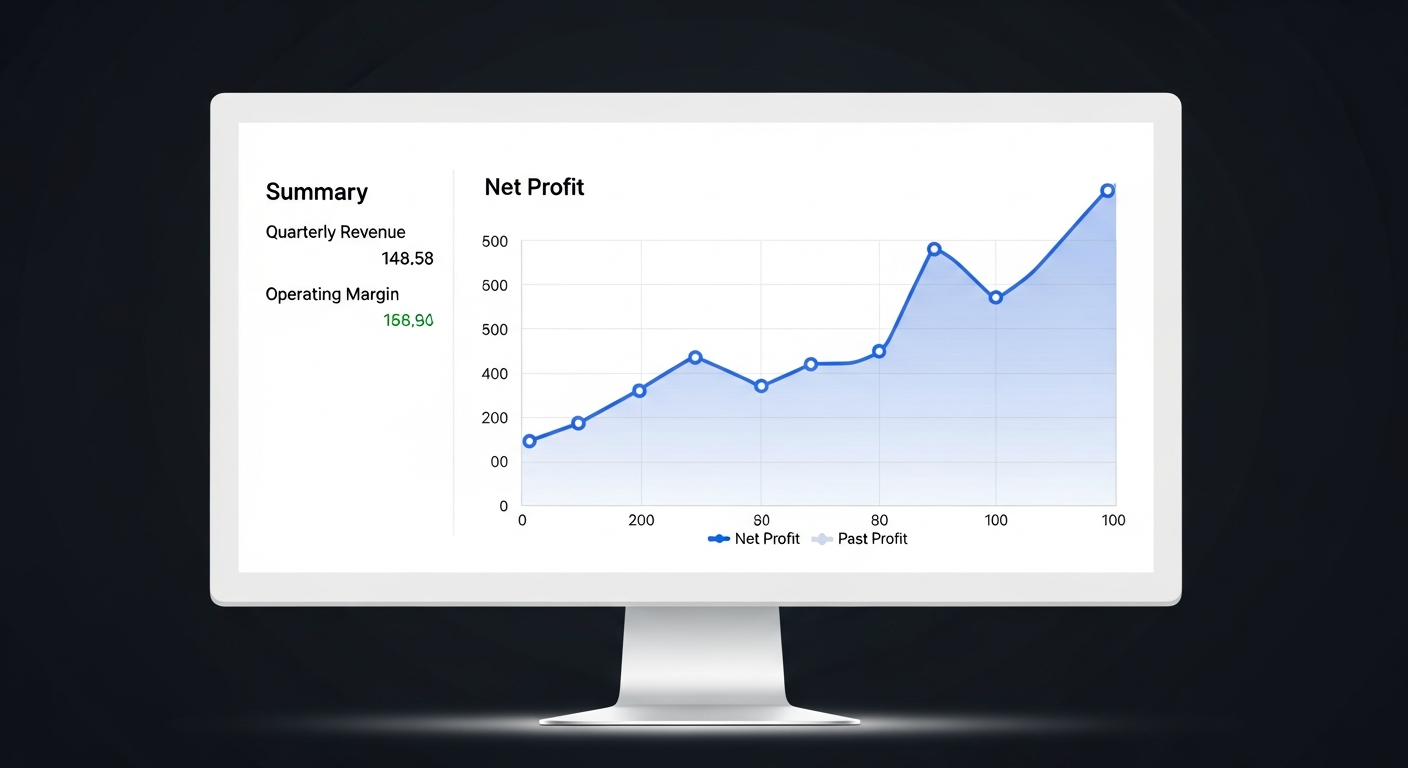
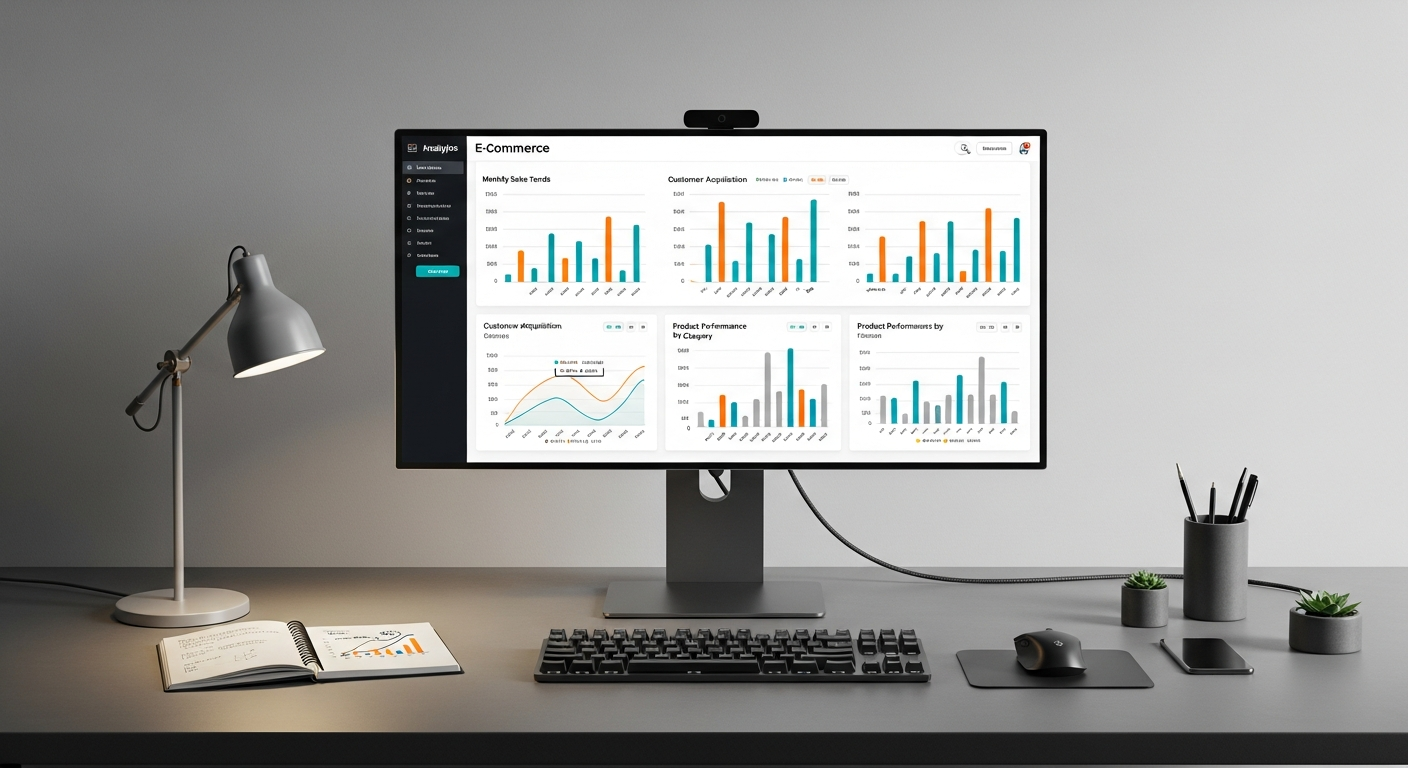
The era of isolated data systems is giving way to integrated platforms that serve as a single source of truth for all financial and operational data. By connecting your ERP, CRM, POS, marketing automation, and accounting systems, these platforms aggregate data in real-time. This eliminates manual reconciliation, reduces errors, and ensures that every department is working from the same accurate, up-to-date information. Imagine having a dashboard that shows not just sales performance, but sales performance by product, by region, by customer segment, all instantly cross-referenced with the precise cost of goods sold, marketing spend, and operational overhead for each. This level of integration transforms complex data into immediate, actionable insights.
Predictive Analytics for Proactive Decision-Making
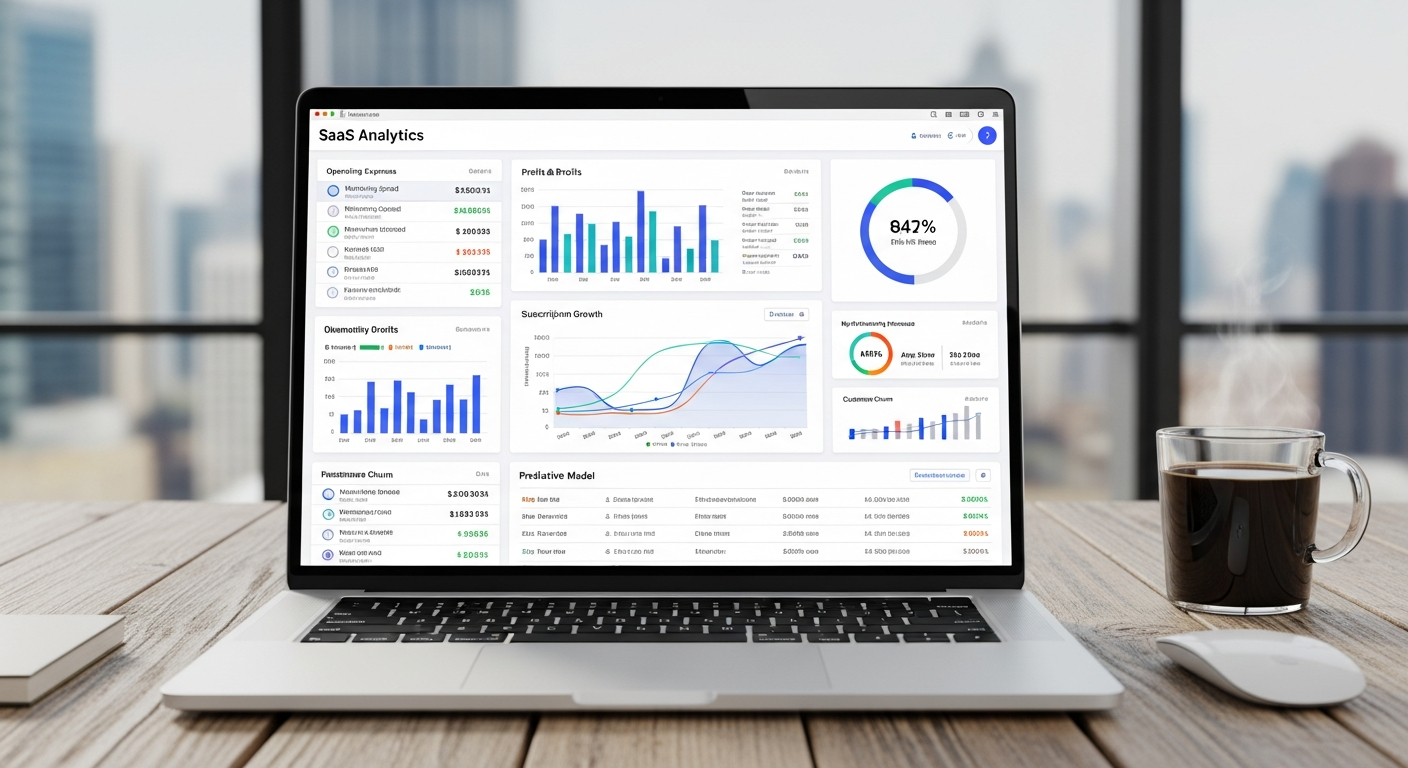
Beyond simply reporting what has happened, advanced profit analytics platforms leverage machine learning and artificial intelligence to predict future trends. They can forecast profit margins under various scenarios, identify potential cost spikes before they occur, and flag emerging areas of concern. For example, a system could predict that a specific raw material price increase, combined with a projected dip in demand for a related product, will erode margins by 5% in the next quarter. This foresight empowers businesses to take proactive steps – renegotiating supplier contracts, adjusting production schedules, or modifying pricing – to mitigate losses before they materialize. This moves decision-making from reactive damage control to strategic, forward-looking optimization.
Automating Profit Leak Detection
One of the most powerful capabilities of modern profit management solutions is the ability to automate the detection of profit leaks. By setting up predefined thresholds and rules, the system can automatically flag deviations from expected margins, unexpected cost increases, or underperforming segments. Imagine receiving an alert when the cost of servicing a particular customer segment unexpectedly jumps by 10% in a week, or when the return rate for a new product exceeds its profitability threshold. These automated alerts allow management to investigate and address issues immediately, preventing small leaks from becoming significant drains on profitability. This reduces the need for constant manual oversight, freeing up valuable human capital for more strategic tasks.
The ROI of True Profit Insight
Investing in the tools and processes to gain true profit insight delivers a tangible and significant return on investment. Businesses that actively manage profitability at a granular level often report 2-5% higher net margins, translating directly into enhanced financial performance and greater capacity for growth and innovation.
Reduced Waste: By identifying and eliminating inefficiencies in operations, supply chain, and resource allocation.
Optimized Pricing: Ensuring every product and service is priced to maximize both competitiveness and profitability based on real costs.
Improved Strategic Planning: Making informed decisions about product development, market expansion, and customer targeting, backed by hard data.
Enhanced Competitive Advantage: Outmaneuvering competitors by understanding true cost structures and margin opportunities that they might be missing.
Better Resource Allocation: Directing capital and talent towards the most profitable ventures, rather than subsidizing underperformers.
The choice is clear: continue to operate with a foggy understanding of your true financial landscape, or empower your organization with the clarity needed to identify, protect, and grow every dollar of profit. The money isn't just "on the table"; it's waiting to be claimed.
Start Tracking Your Real Profits with ProfitPilot Today
Are you ready to stop guessing and start knowing your true profitability? ProfitPilot provides the integrated platform and granular analytics you need to unmask hidden costs, optimize margins, and drive sustainable growth. See precisely where your profits originate and where they are being lost, empowering you to make strategic decisions with unparalleled confidence.
Take control of your financial destiny. Visit our website to schedule a demo and discover how ProfitPilot can transform your business's approach to profitability.